Workshop series
Research, STEM, AI, creativity, and leadership.
Choose a workshop, then choose Part 1, Part 2, or Part 3. Each part is a 10-week progression with two sessions per week. Details, dates, and enrollment are shown inside each workshop card.
Three-part pathway · 10 weeks per part · 2 sessions weekly · $80 per week
One week · proposed sequence
One-Week Research Workshop
Move from curiosity to a short research project in one focused week. Final day assignments and dates are confirmed before registration.
Ask about this workshopExplore a field and choose a question worth investigating.
Read background information and outline a way to study the question.
Develop a model, prototype, or method for collecting observations.
Test the idea, record observations, and look for patterns.
Explain what the evidence shows and present a short project summary.
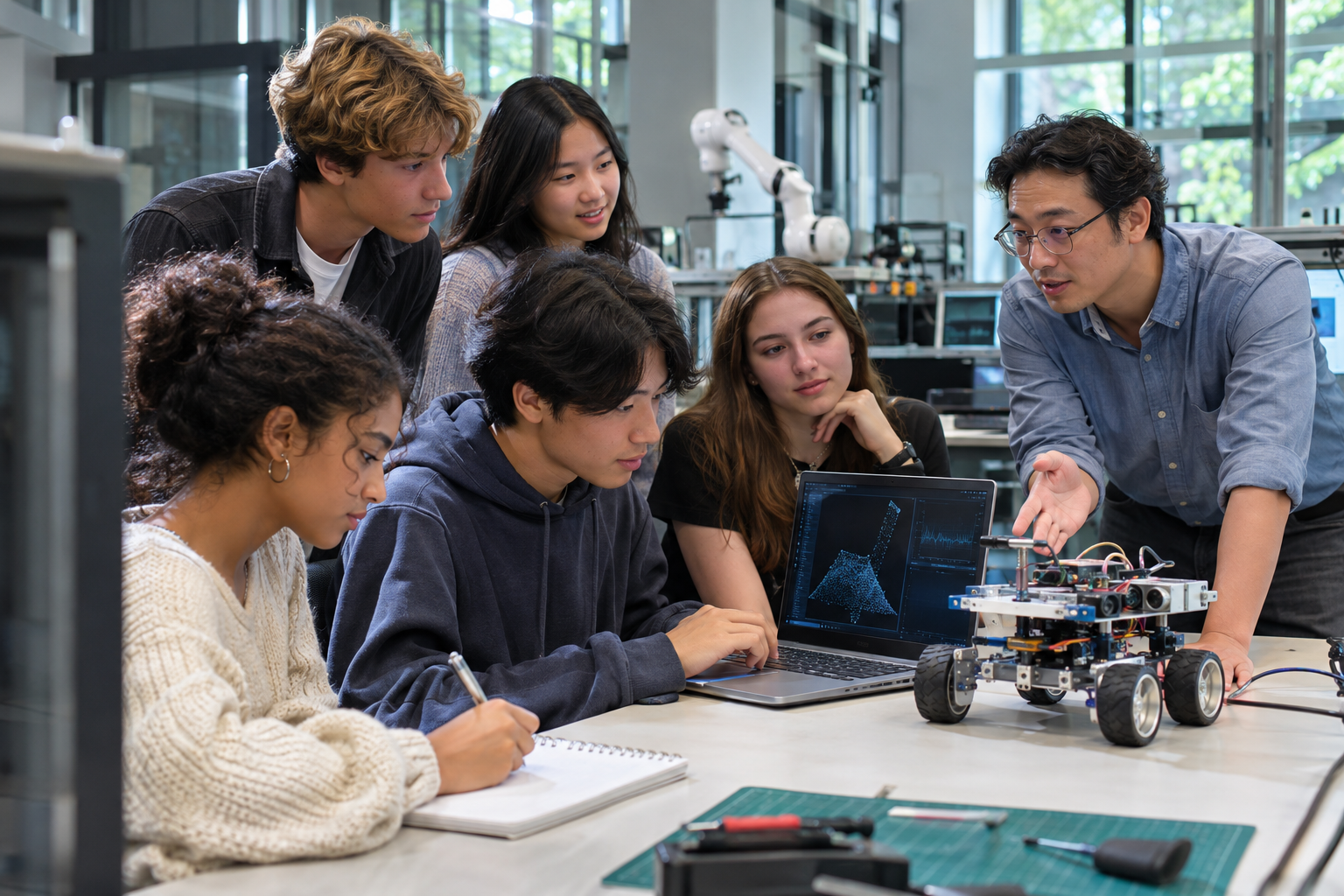
From Curiosity to a Research Question
Shape a student interest into a focused, answerable question.
- Map what students know
- Outline a practical inquiry
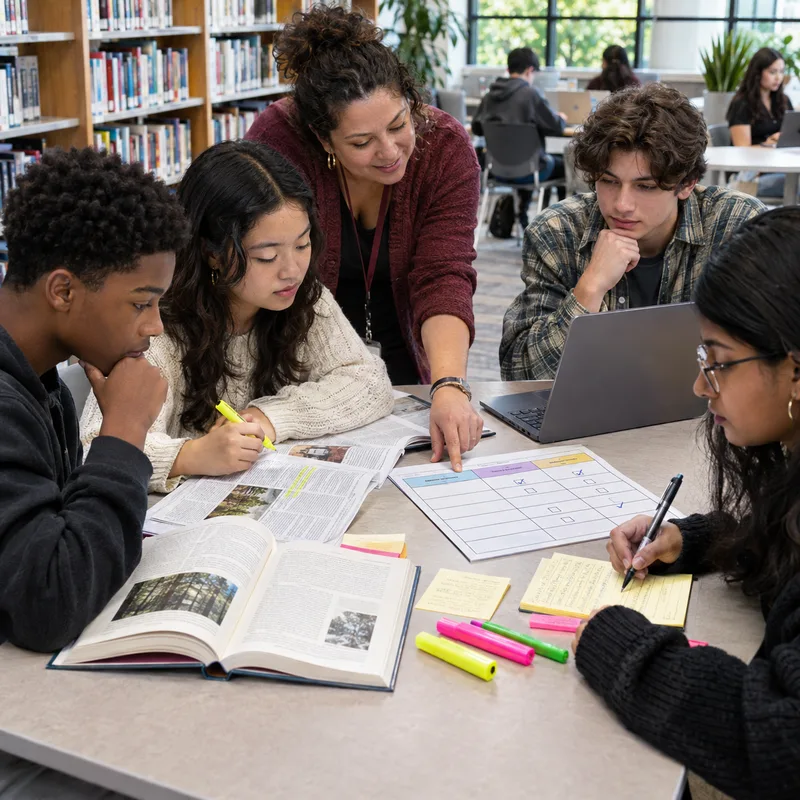
Research Literacy & Source Evaluation
Find, assess, and cite reliable information for a student project.
- Compare sources and claims
- Keep evidence-based notes

Responsible AI for Student Research
Use AI tools thoughtfully while checking accuracy and protecting privacy.
- Verify generated claims
- Discuss bias and limitations

Research Methods, Ethics & Project Planning
Plan a feasible inquiry with responsible methods and clear boundaries.
- Set project milestones
- Identify approval and safety needs

Data Science & Visual Storytelling
Turn a dataset into an accurate, understandable visual explanation.
- Organize sample or public data
- Create and explain simple charts
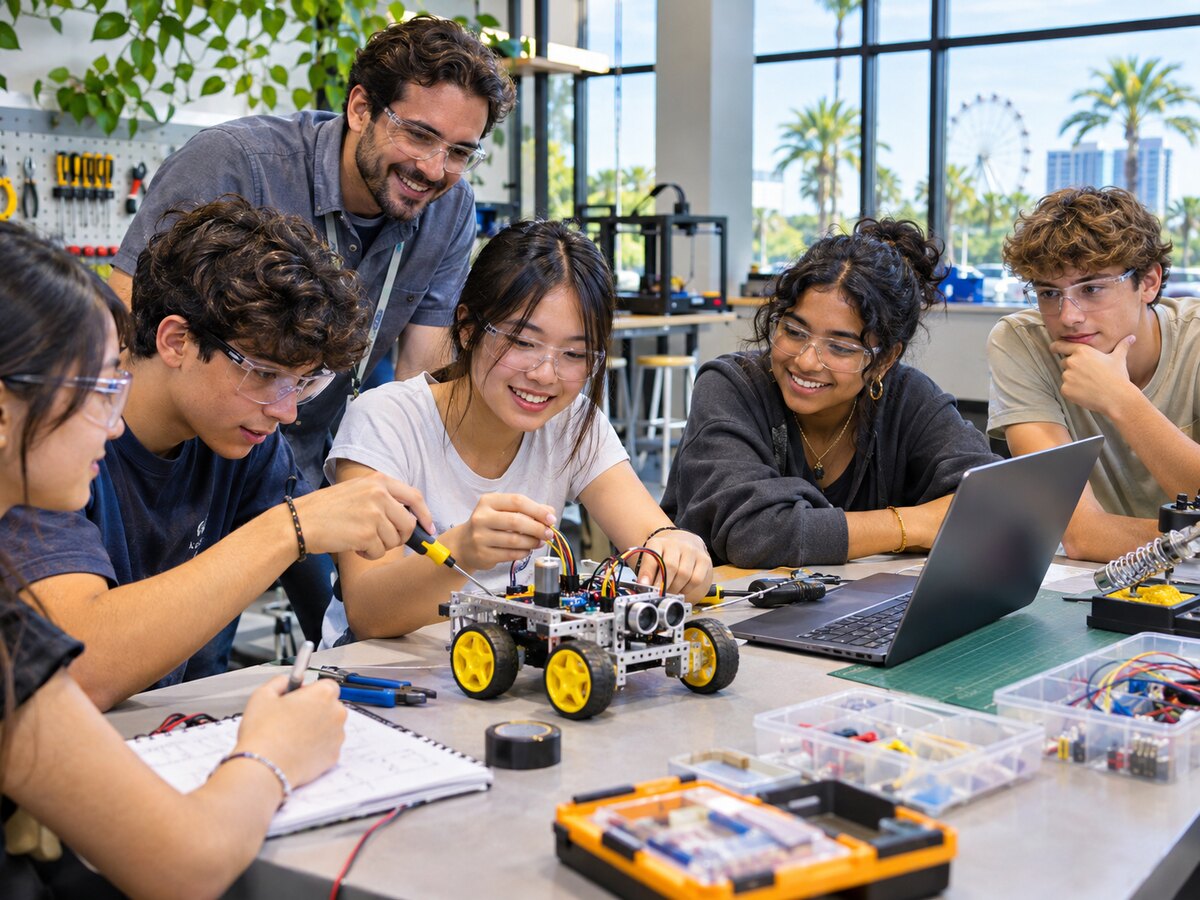
Robotics & Engineering Design
Apply the engineering design process to build and improve a prototype.
- Sketch and build a solution
- Test and record design changes

Introduction to Python 1
Build beginner coding confidence through small projects, problem-solving, and creative practice.
- Practice core Python concepts
- Answer a question with sample data

Scratch Game Design & Interactive Stories
Communicate an idea through an interactive, student-created digital project.
- Create characters and scenes
- Share a playable project
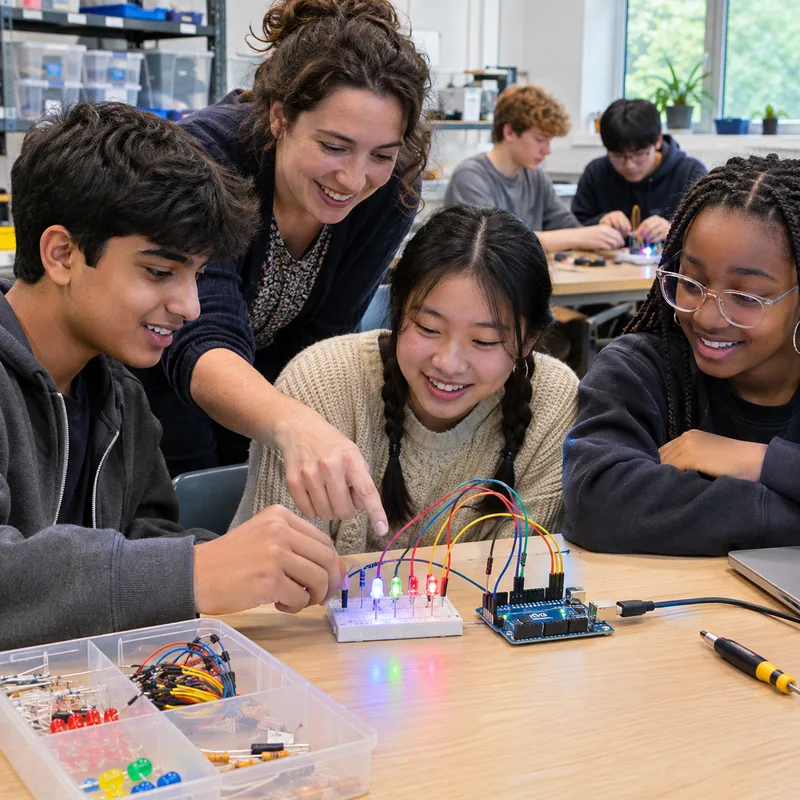
Arduino, Circuits & LED Design
Connect a simple circuit and use code to control an electronic output.
- Explore circuit basics
- Build a supervised LED project
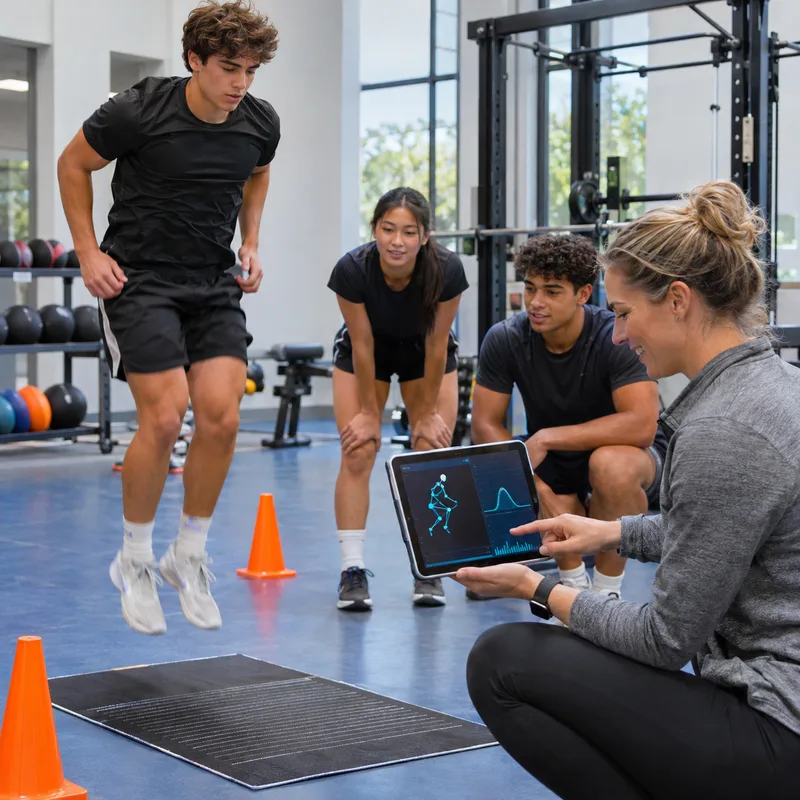
Sports Science & Human Performance
Explain how movement science can inform safe, evidence-based training.
- Explore biomechanics and recovery
- Use public sample data

Florida Springs Ecology & Conservation
Investigate how ecosystems and human choices relate to spring conservation.
- Use public environmental information
- Field observation depends on permission and access
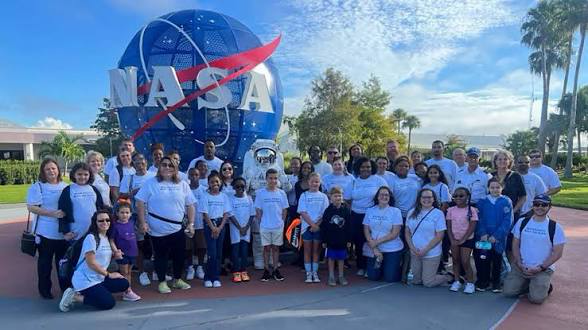
Space Science & Mission Design
Apply scientific reasoning and systems thinking to a space exploration challenge.
- Compare design constraints
- Develop a team mission concept
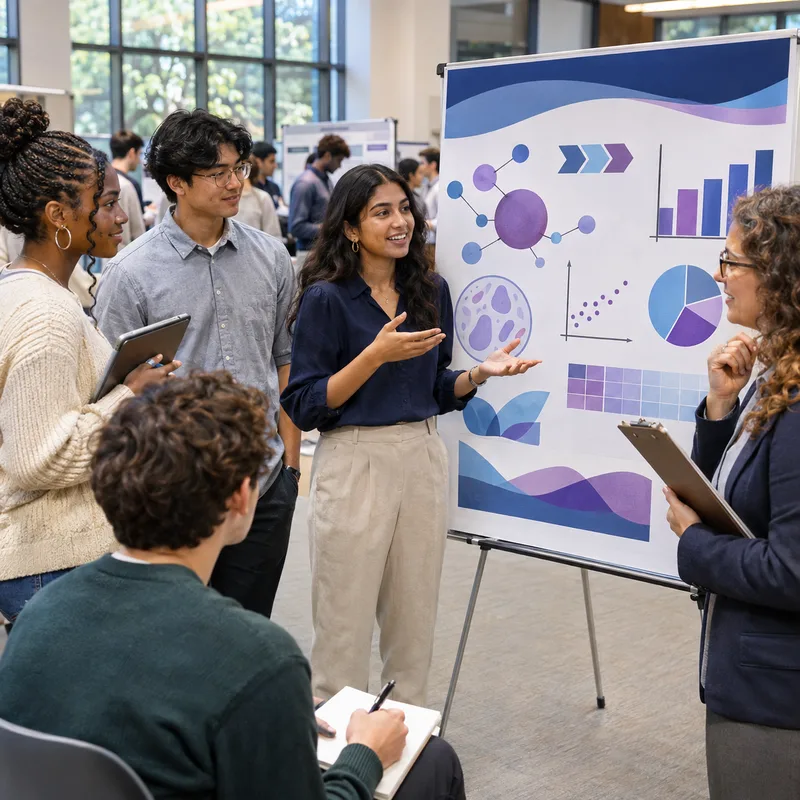
Research Poster, Abstract & Presentation
Explain a project clearly to an audience using evidence and concise visuals.
- Draft an abstract and poster
- Practice a short presentation
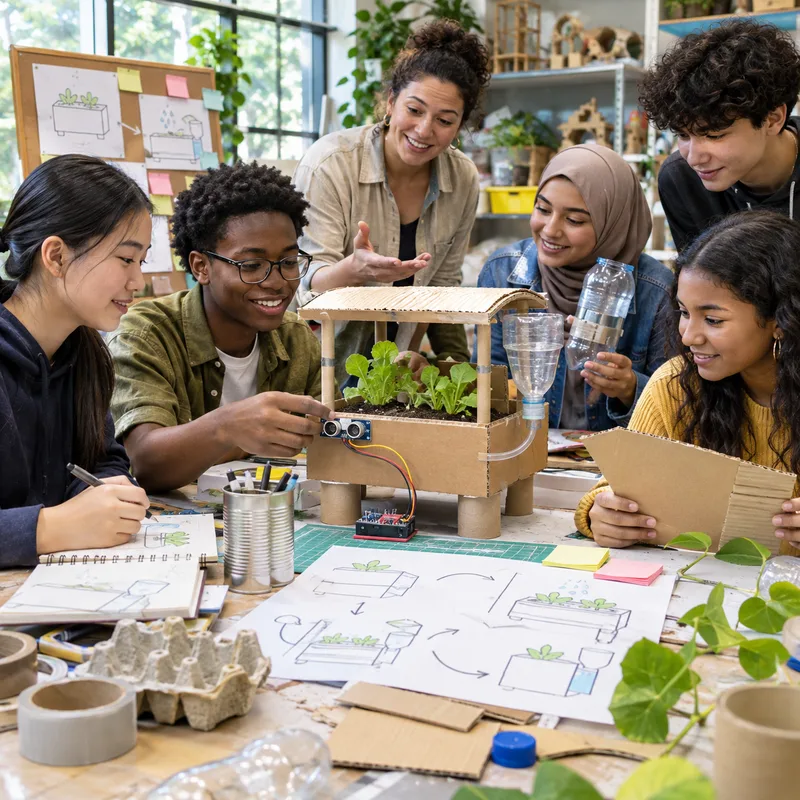
Youth Innovation & Community Problem-Solving
Develop a practical idea in response to a clearly defined community need.
- Brainstorm and compare solutions
- Create a prototype or proposal
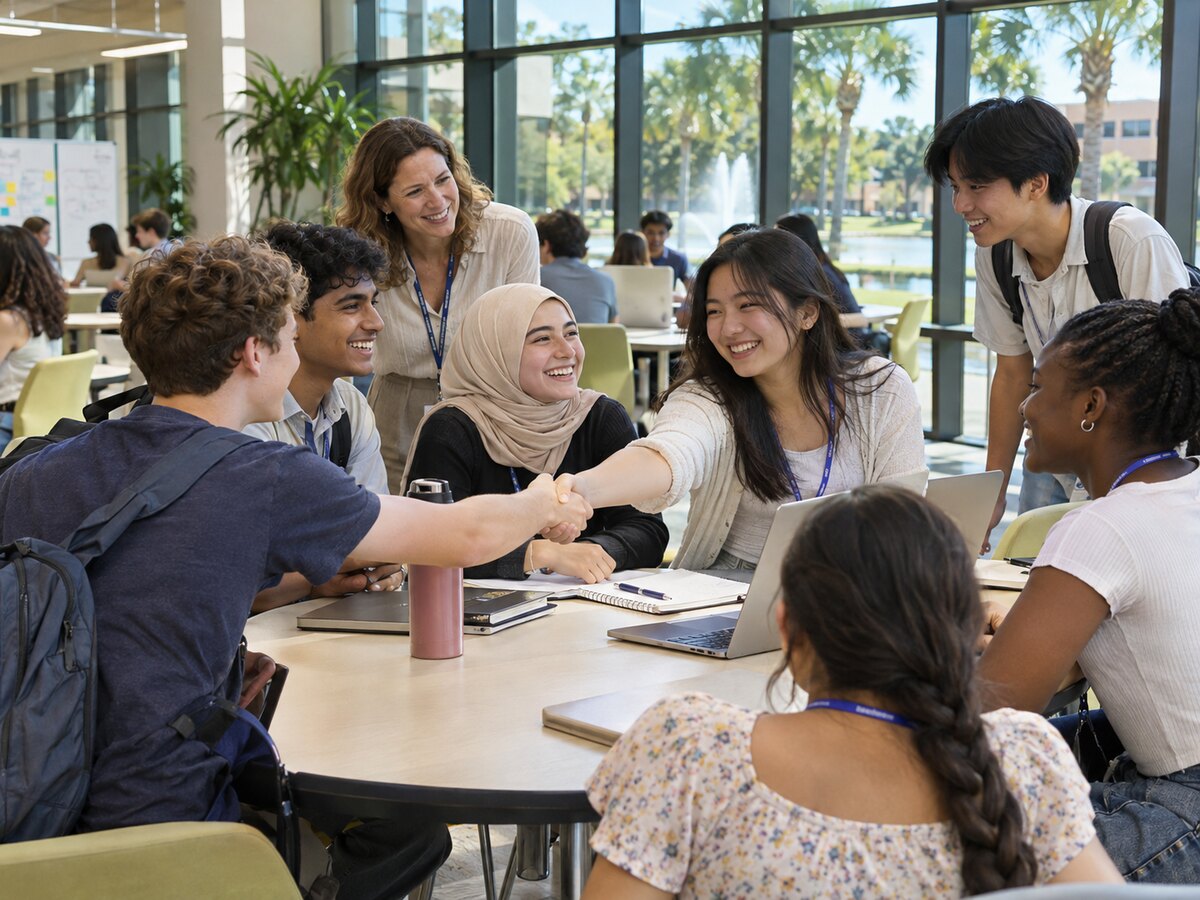
Cross-Cultural Inquiry & Shared Perspectives
Compare perspectives respectfully and use them to deepen a shared inquiry.
- Discuss how context shapes questions
- Combine viewpoints in a presentation
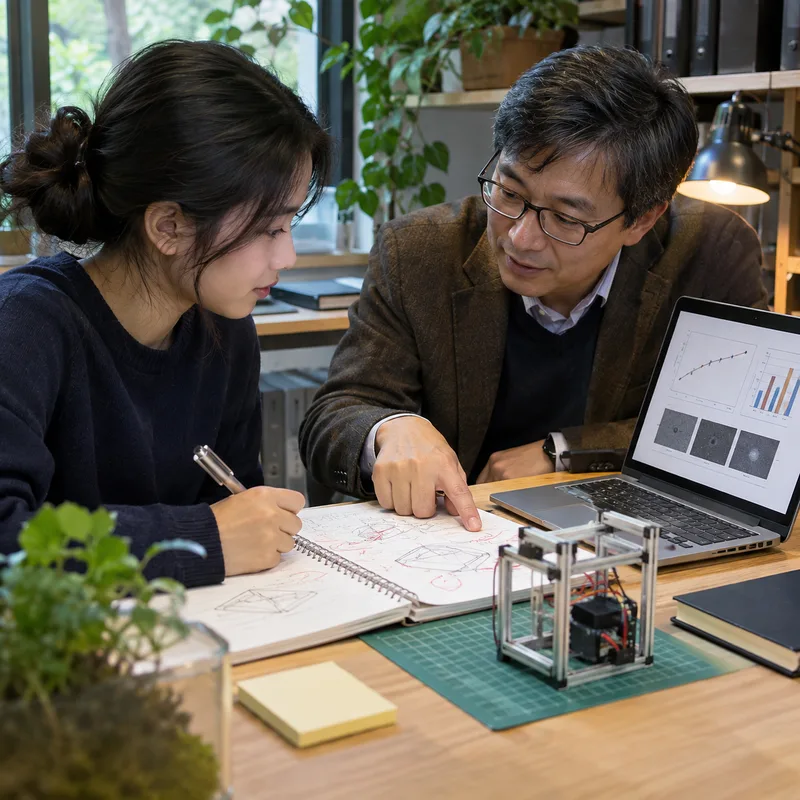
Research Mentorship Studio
Strengthen a student project through structured feedback and revision.
- Share a question or early finding
- Refine the next step with feedback

Robotics & Engineering 1
Use engineering design to develop and test a solution to a practical challenge.
- Define a need and sketch a solution
- Build, test, and explain the design

Cyber Defender: Ethical Hacking
Recognize security weaknesses and practice responsible ways to protect digital systems.
- Use authorized practice systems only
- Recommend defensive steps

Foundations of Medicine and Healthcare
Use evidence from a fictional case to explain how a healthcare team considers next steps.
- Review a made-up case
- Not medical advice or diagnosis

HealthTech Innovation
Explain how health technologies collect information and how that information can support care.
- Use models or synthetic data
- Design a privacy-aware improvement

Game Design With Unreal
Plan, prototype, and improve an interactive three-dimensional game environment.
- Shape a world and its characters
- Play-test and revise a level

Finance and Investment Management
Build financial literacy by comparing risk, diversification, and changing market conditions.
- Track a simulated portfolio
- Educational only; no investment advice
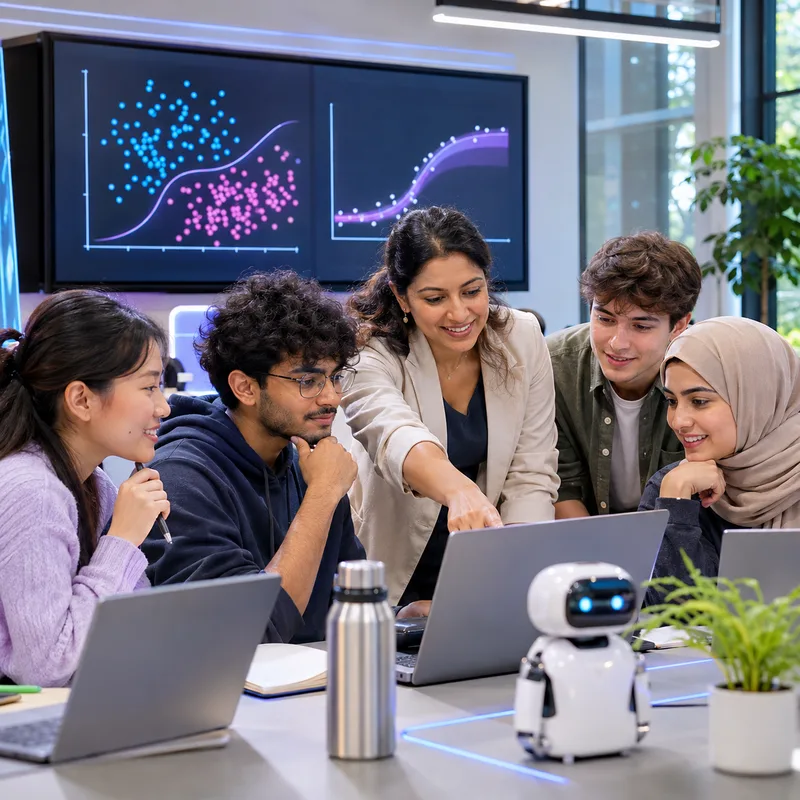
AI and Machine Learning with Python
Understand basic machine-learning ideas and evaluate AI outputs carefully.
- Explore prediction with sample data
- Discuss privacy, bias, and responsible use

Future Doctor Workshop 1
Explore anatomy, observation, teamwork, and evidence-informed thinking through a safe introduction to healthcare careers.
- Practice safe clinical observation
- Connect biology to future health professions
Future Doctor Workshop 2
Build on healthcare foundations through anatomy, patient communication, observation, and health-science problem solving.
- Explore body systems through models
- Practice evidence-informed teamwork
Future Doctor Workshop 3
Connect biology, healthcare technology, research literacy, and future-career planning.
- Analyze a fictional health case
- Design a responsible health-tech idea
Introduction to Python 2 · Intermediate Skills
Move from basic syntax to structured programs, data analysis, and responsible AI applications.
- Use functions, files, and data
- Build and explain a larger project
Research Literacy 2 · Evidence & Synthesis
Move beyond finding sources to compare evidence, synthesize ideas, and communicate a supported conclusion.
- Build an evidence matrix
- Write a research-based synthesis
Robotics & Engineering 2
Develop stronger robotics and engineering skills through sensors, mechanisms, testing, and design iteration.
- Build a controlled prototype
- Document testing and revisions
Robotics & Engineering 3
Lead a longer design challenge from research question to prototype, testing, presentation, and next steps.
- Integrate systems and constraints
- Present a capstone engineering solution
Workshop note
Each workshop is a three-part pathway. Every part includes 10 weeks, two sessions per week, and week-by-week enrollment at $80 per week. Final dates, staffing, equipment, and enrollment availability are confirmed before registration.